
Printable Tracing Worksheets Generator
Give preschool and kindergarten students hands-on practice holding a pencil and forming letters, numbers, and shapes. Choose a tracing type below, customize the text or difficulty, and download a print-ready worksheet. Perfect for daily handwriting practice at home, in the classroom, or in a learning center.
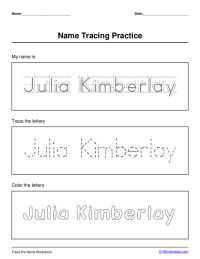
Name Tracing
Type in any name for a child to trace and recognize their own letters.
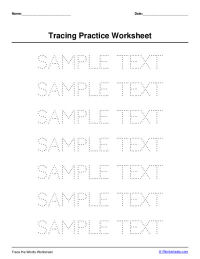
Word Tracing
Practice writing and spelling specific words.
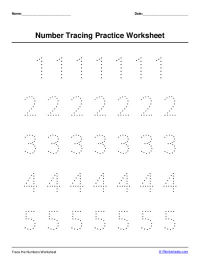
Number Tracing
Trace numbers 1–100 with adjustable font and size.
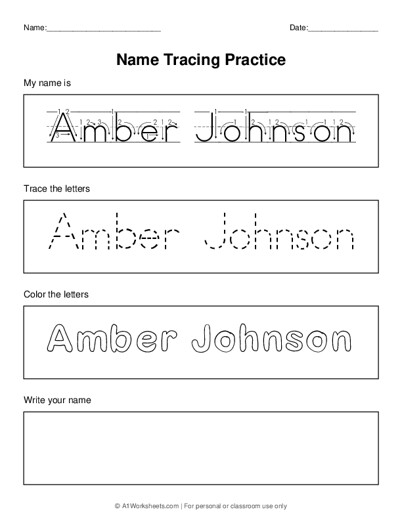
Name Tracing & Coloring
Trace a name, then color it in for a creative twist.
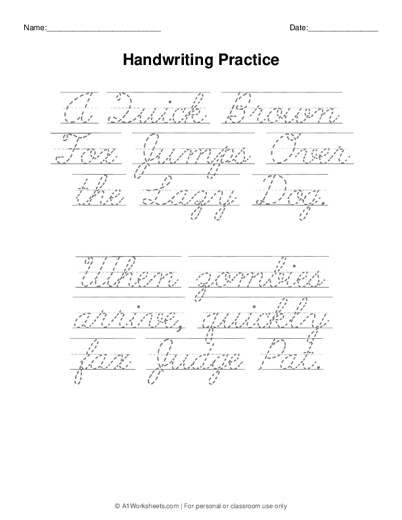
Cursive Handwriting
Practice cursive letter formation.
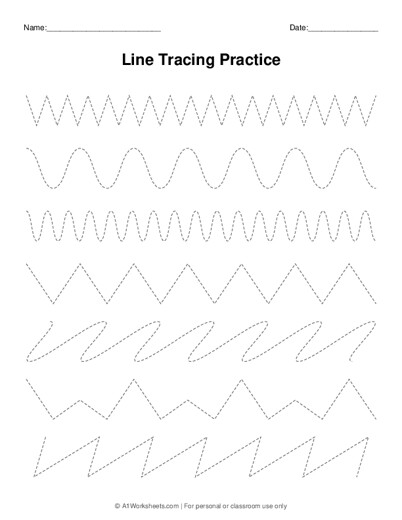
Line Tracing / Pencil Control
Straight, curved, and zigzag lines to build pencil control.
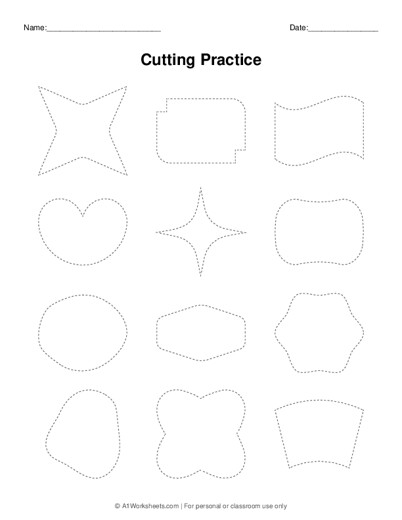
Scissor Skills / Cutting Practice
Guided cutting lines to build fine motor control.
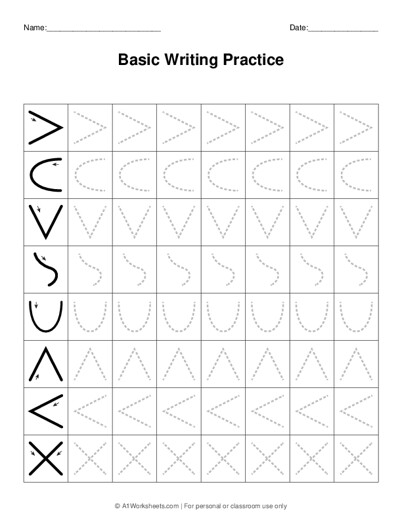
Pre-Writing Practice
Shape-based sheets that build the motions needed before writing letters.
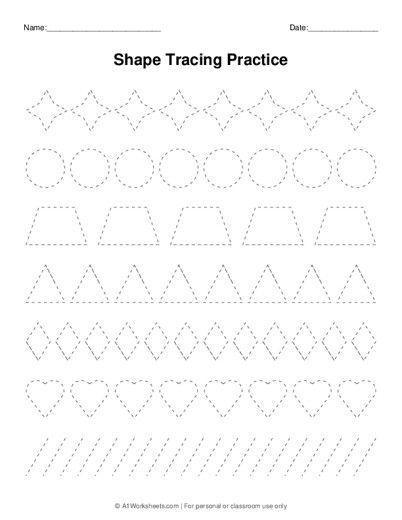
Shape Tracing
Circles, squares, triangles, and more for early motor skill development.
Why Tracing Worksheets Help
Tracing builds the fine motor control kids need before they can write independently the same muscle memory used to hold a pencil, form a letter, and stop at the right spot. Alongside motor skills, tracing reinforces letter and number recognition, so kids are learning to write and learning to read at the same time.
Parents, teachers, and early-childhood educators use these worksheets for daily handwriting practice at home, in the classroom, or in a learning center. Because you control the content, a specific name, a set of letters, a word list, every worksheet matches exactly what a child is working on, instead of a generic printable that’s close but not quite right.
Which Tracing Worksheet Is Right for Your Child’s Age
- Ages 2–3: Start with line tracing and pre-writing practice – straight lines, curves, and simple shapes build the control needed before letters.
- Ages 3–4: Shape tracing and simple name tracing introduce letter forms without the pressure of full handwriting.
- Ages 4–5: Name tracing, number tracing, and short word tracing build on that foundation as pencil control improves.
- Ages 5–6: Word tracing and name tracing with coloring add creativity while reinforcing spelling and letter recognition.
- Ages 7+: Cursive handwriting worksheets are a natural next step once print letters are solid.
Tips for Effective Tracing Practice
- Keep sessions short – 5 to 10 minutes holds a young child’s attention better than one long sheet.
- Start with larger letters and wider dotted lines, then shrink the size as control improves.
- Let kids trace with a finger first, then move to a pencil or crayon.
- Progress in order: lines and shapes, then letters, then words, then full sentences.
- Praise effort and consistency, not just neatness – confidence matters more than precision at this stage.
FAQs
What ages are these tracing worksheets for?
Mainly preschool and kindergarten, roughly ages 3 – 6, though older kids who need extra handwriting practice can use them too.
Can I use my child’s own name?
Yes, the Name Tracing and Name Tracing & Coloring generators let you type in any name.
Are these worksheets free?
Yes. every tracing generator is free to use, and you can download and print the worksheets for free. Some advanced customization options are available with paid plans.
What skills do tracing worksheets build?
Pencil grip, hand-eye coordination, and letter/number recognition, the foundation for independent handwriting.
